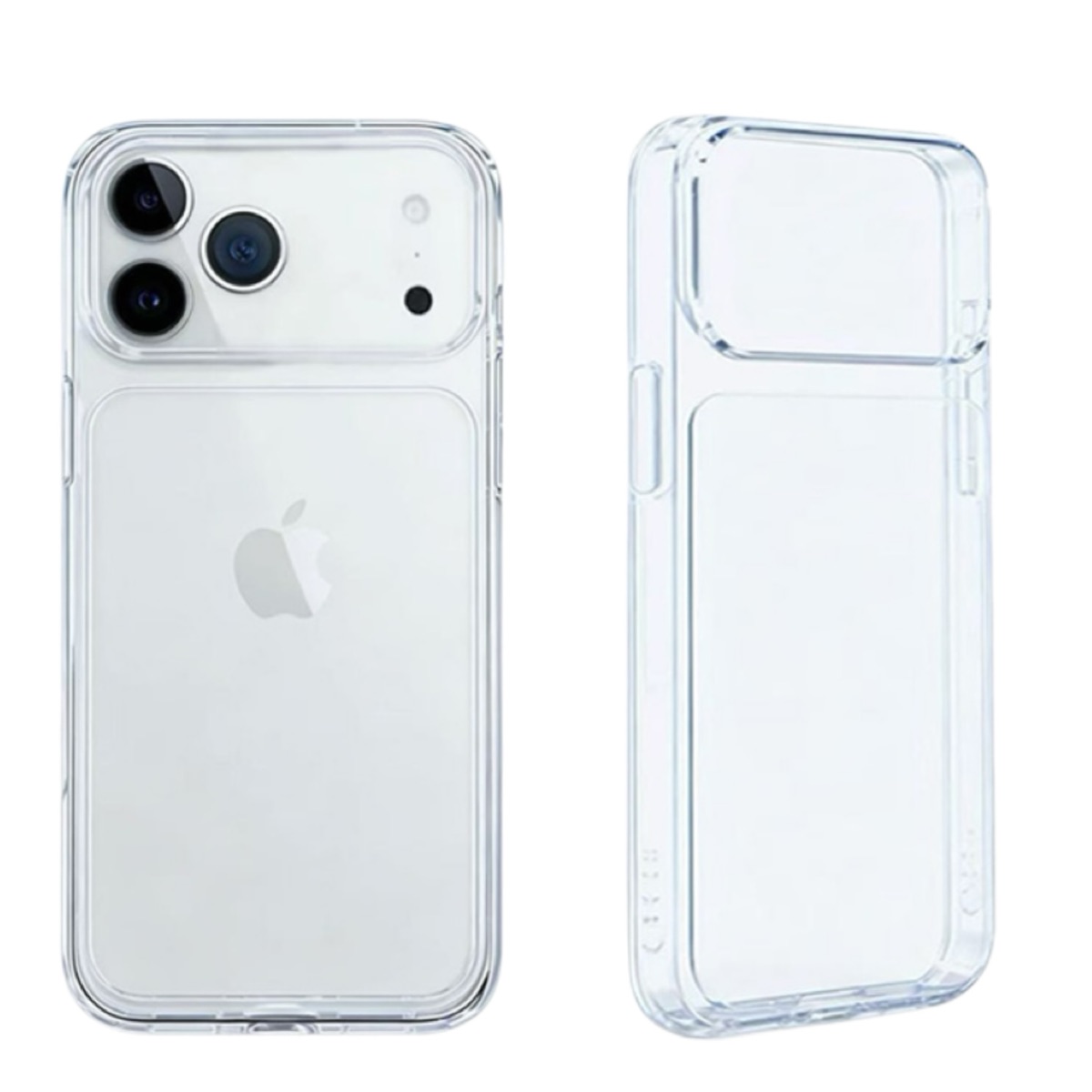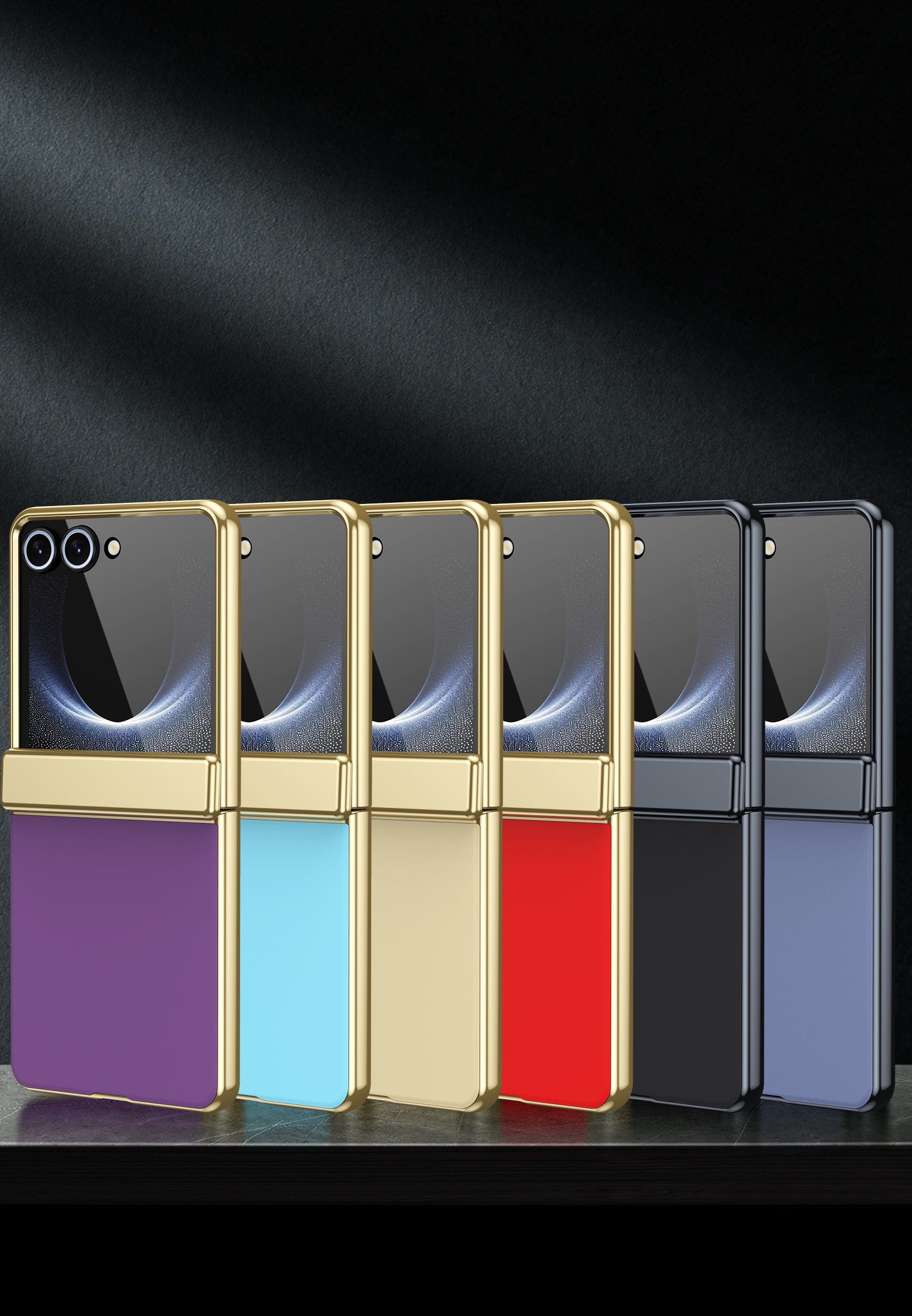
A foldable phone case is not a slab case with a bend in it. The hinge introduces a moving part, a gap that collects debris, and a surface that cannot be covered with a rigid material. Most foldable case failures reported by users trace back to this one area. Here is what actually goes wrong […]
Learn More >>
"N52 magnets" appears in almost every magnetic phone case listing, usually as a badge of quality. It is a real specification — but it is not the number that decides whether a wallet stays put on a bumpy road. This article explains what the grade means, where the holding force actually comes from, and how […]
Learn More >>
Three numbers decide whether a phone case order is viable: minimum order quantity, tooling cost and lead time. All three are usually quoted as single figures, which makes them look like fixed rules. In practice each one is the output of a cost structure, and once you understand the structure you can move all three. […]
Learn More >>
The material of a phone case decides almost everything downstream: how it feels, how long it stays clean, what printing methods work, what it costs, and how quickly it fails. Choosing it late — after the design is fixed — is the most common reason a case line underperforms. Here is how the five materials […]
Learn More >>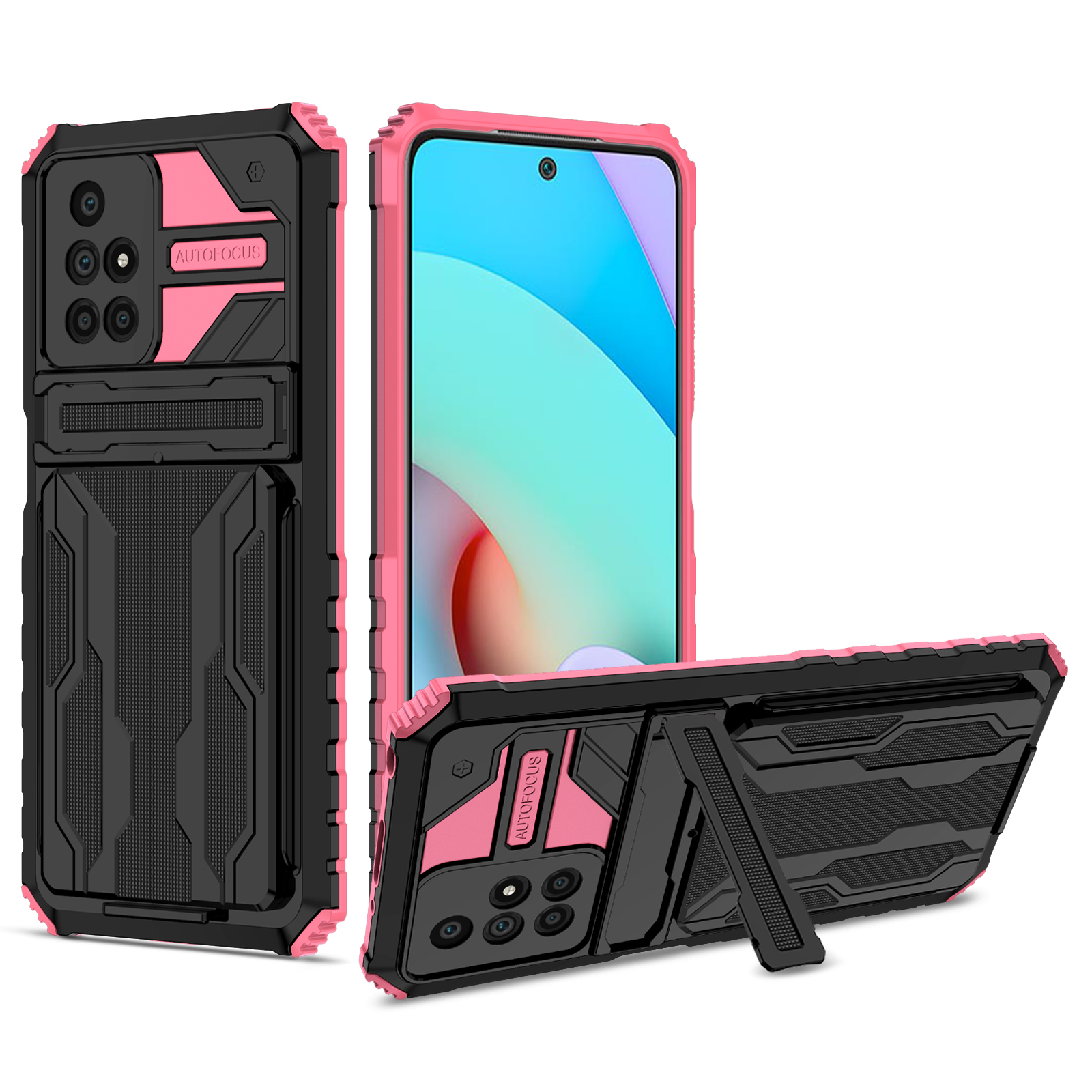
Most first-time phone case buyers lose money on the same three things: choosing a trading company that claims to be a factory, ordering a colour that turns out to be a different Pantone batch, and discovering the tooling only fits one chassis. None of these problems is hard to avoid if you know what to […]
Learn More >>